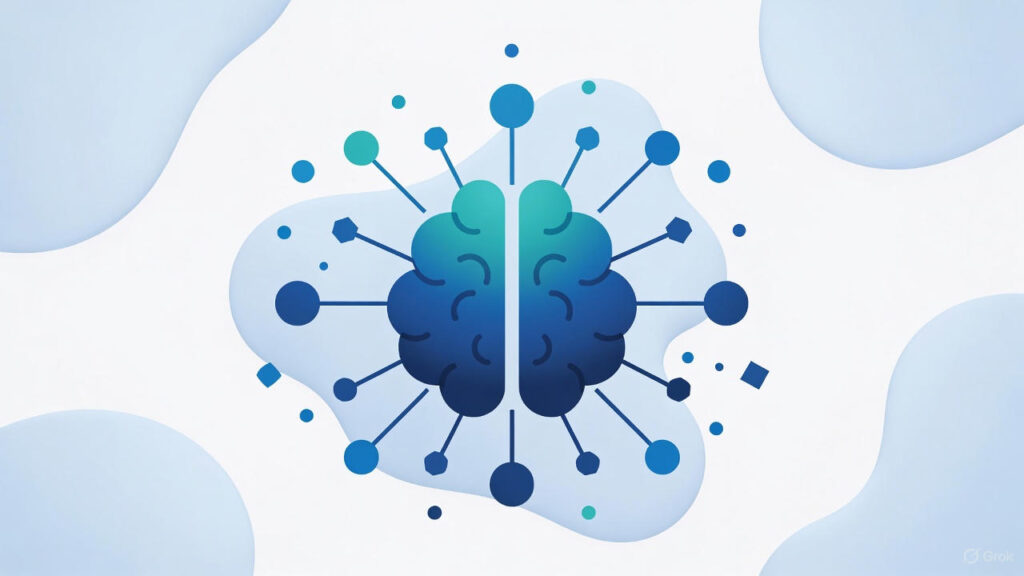

Every time Netflix nails a recommendation or your phone groups photos by face, there’s something clever happening behind the scenes. That something is machine learning—and it’s simpler to understand than you might think.
🎯 The Simple Definition
Machine learning is how computers learn from examples instead of following fixed rules. Rather than programming every possible scenario, you feed the computer data and let it discover patterns on its own. Show it enough labeled examples—like “this is spam, this is not”—and it figures out the rules itself. It’s learning by doing, not by being told.
⚙️ How It Works
Imagine teaching a child to recognize dogs. You don’t hand them a rulebook listing every breed, size, and color combination. Instead, you point to dogs and say “dog” hundreds of times. Eventually, they figure out the patterns themselves—four legs, fur, tail, snout.
Machine learning works the same way. You show the computer thousands of examples with the correct answers. It finds patterns, builds its own internal rules, and then applies those rules to new situations it’s never seen.
[insight]The key difference from regular programming: instead of telling the computer what to do step-by-step, you show it examples and let it figure out the patterns.[/insight]
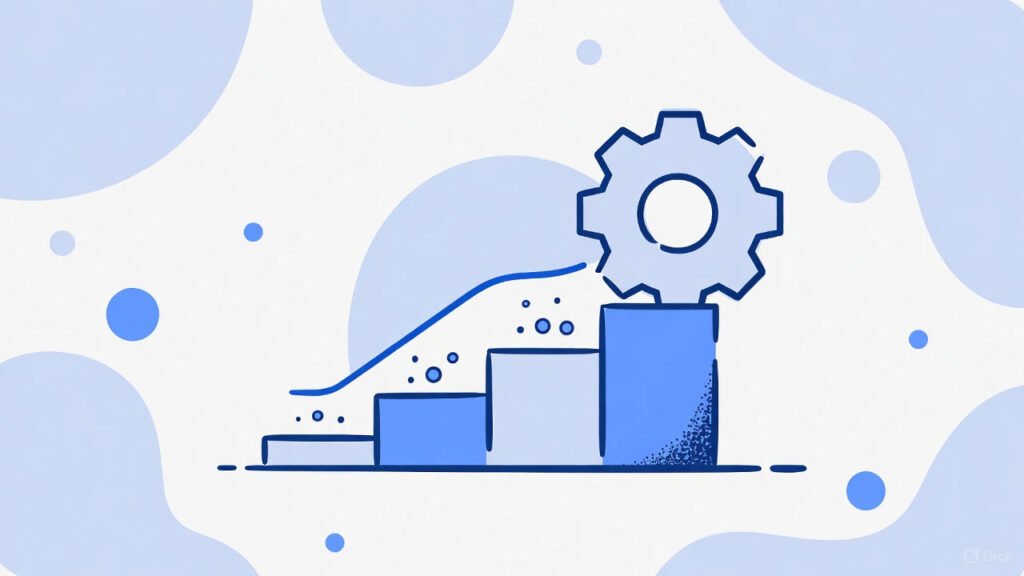
The magic is in the learning loop: make a prediction, check if it’s right, adjust, and repeat. After millions of adjustments, the system becomes remarkably accurate—like fine-tuning a recipe until it’s just right.
🌍 Real-World Example
Machine learning powers features you use daily without thinking about it.
Gmail’s spam filter learned what junk mail looks like by studying billions of emails. Your bank alerts you about suspicious purchases in real time—ML learned what fraud looks like from past cases. Spotify’s Discover Weekly learned your music taste by analyzing your listening history.
Your phone camera automatically enhances portraits by detecting faces and lighting. None of these systems were programmed with thousands of “if-then” rules. They learned by studying millions of real examples—and keep learning every day.
💡 Why It Matters
Machine learning is making decisions that affect your life every day. It helps decide which ads you see, which job applications get reviewed, and even which patients get prioritized for treatment.
Understanding how it works—learning from patterns in data—helps you see both its power and its limits. ML systems are only as good as the data they learn from. If the training data is biased, the system’s decisions will be biased too.
You don’t need to build these systems yourself. But knowing the basics helps you spot when ML is helping—and when it might be making biased or incorrect calls.
✅ Key Takeaway
Machine learning is computers learning patterns from examples rather than following programmed rules—it’s how technology gets “smarter” from experience, and it powers most “smart” features you use daily.
[ainuggets_video url=’https://youtu.be/MkAJWL-UuHw’ title=’What is Machine Learning? A Simple Explanation | AI Nuggets’]
📚 Continue Learning
- What is Artificial Intelligence? A Simple Explanation
- What is Deep Learning? A Simple Explanation
- What is a Neural Network? A Simple Explanation